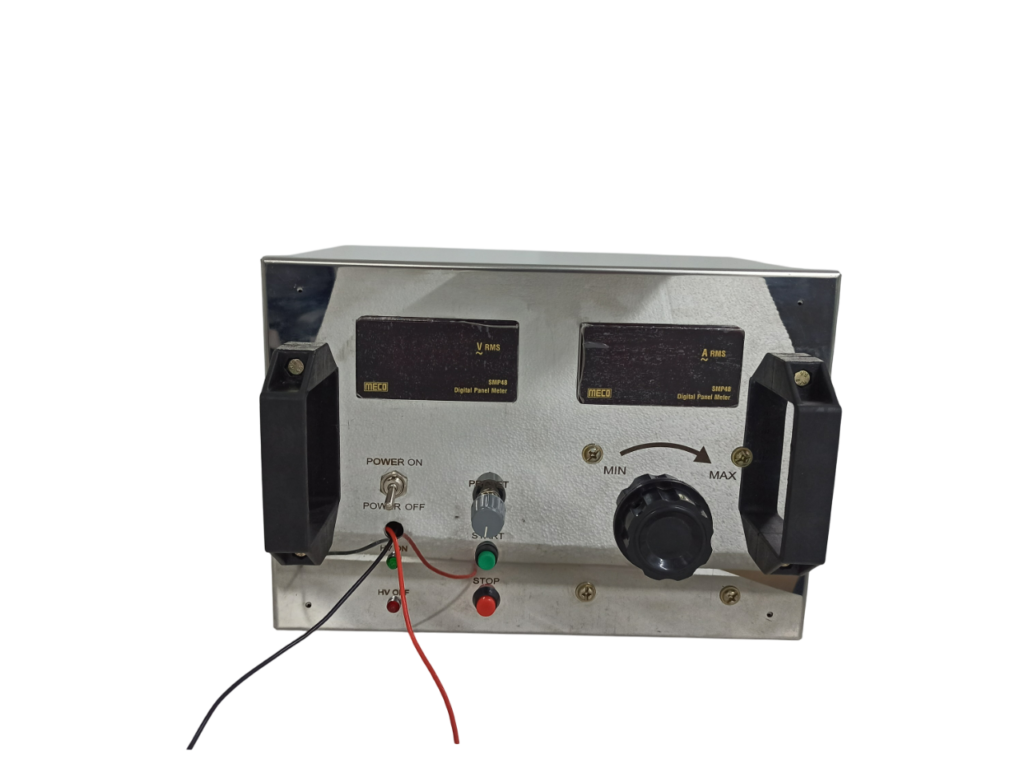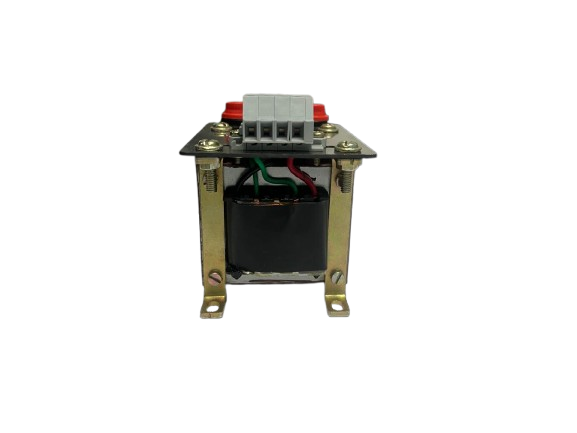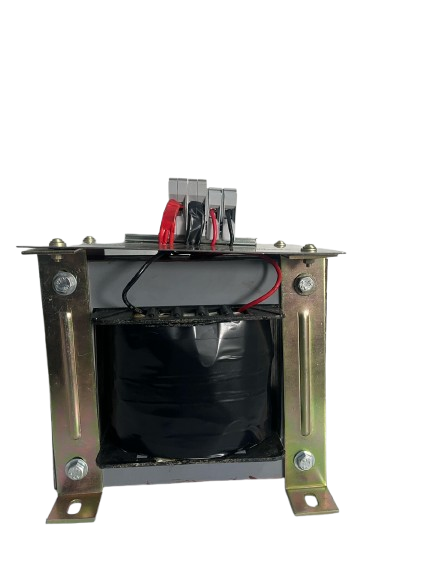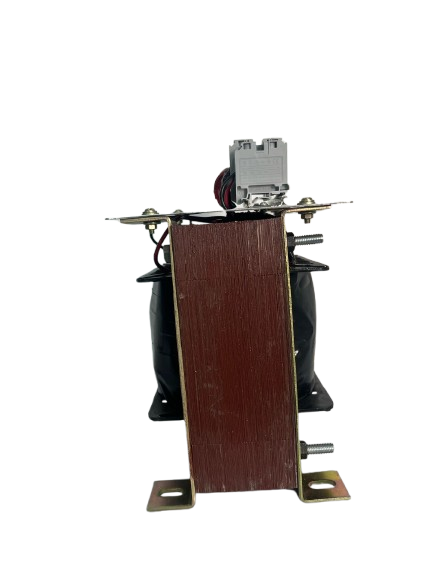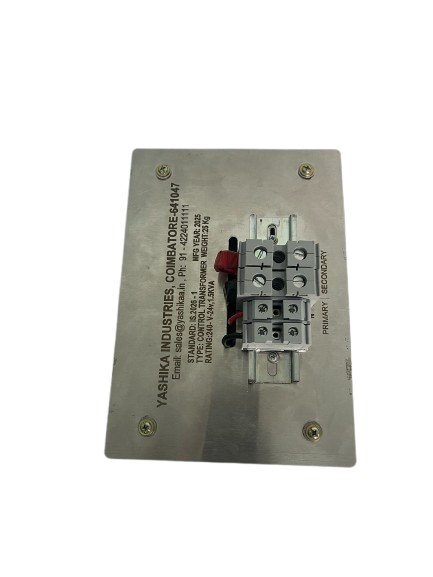
HV Tester

“Reliable Voltage Conversion, Unmatched Performance – Power Your Control Systems with Yashika Industries!”
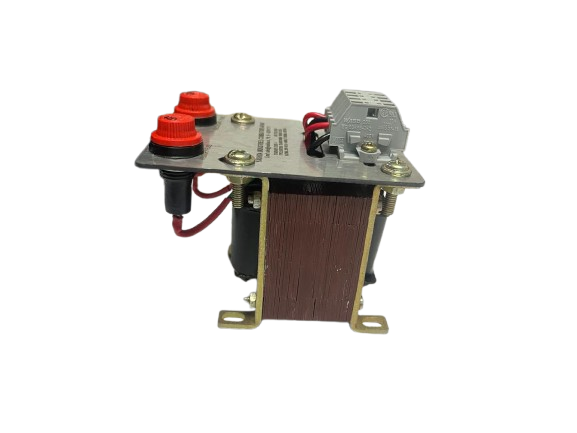
Product Overview

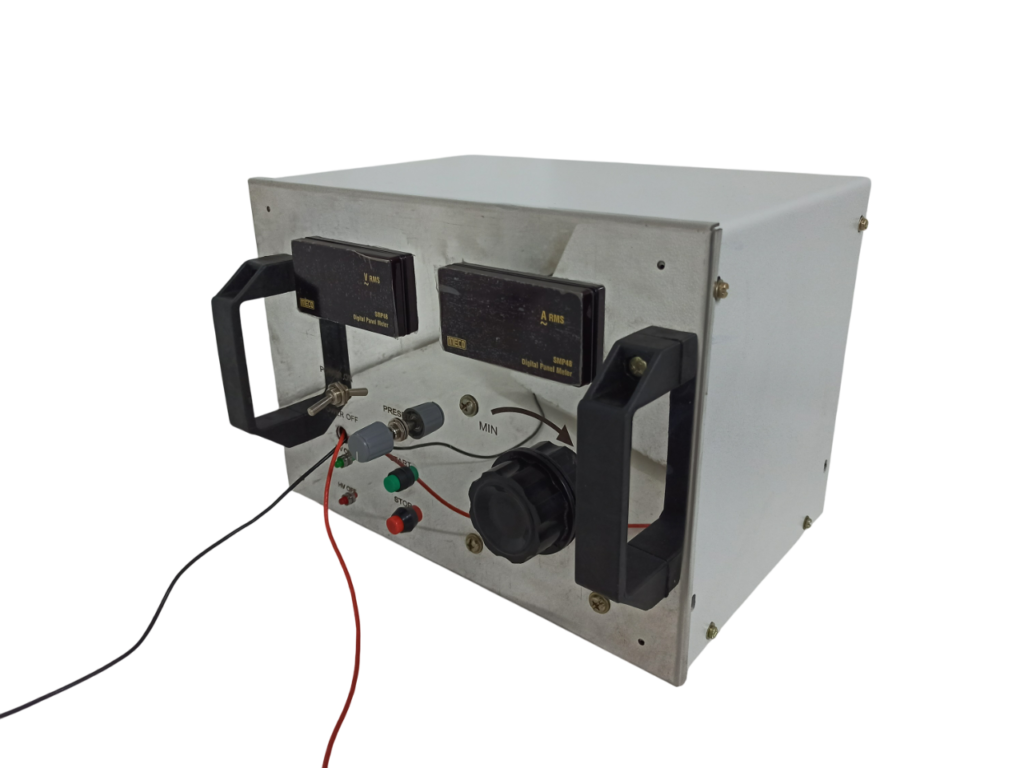
The High Voltage (HV) Tester is a specialized electrical testing device designed to assess insulation integrity, withstand voltage, and dielectric strength of electrical components and systems. It is widely used in industries for testing transformers, cables, capacitors, and electrical panels.

Key Features
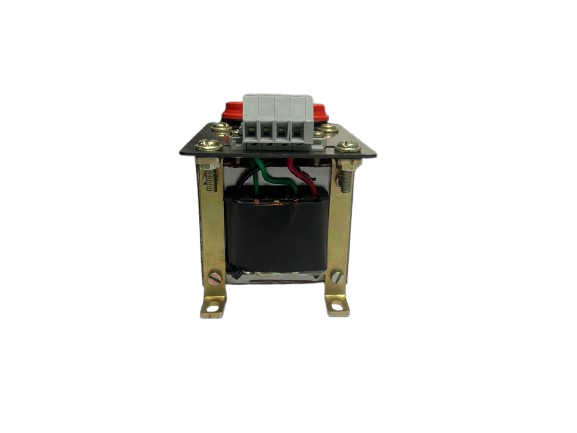
  • High Voltage Output: Adjustable test voltage up to several kV for different testing requirements.
  • Digital Panel Meters: Displays real-time voltage and current readings.
  • Safety Features: Includes overload protection, automatic trip, and emergency stop.
  • User-Friendly Interface: Equipped with push buttons, rotary knobs, and test lead connectors.
  • Portable Design: Rugged enclosure with carrying handles for easy transport.
  • Precision Measurement: Ensures high accuracy for compliance with industry standards.
Add an overline

Technical specification

  • Input Voltage: 230V AC, 50/60Hz
  • Output Voltage: Adjustable from 0V to maximum rated voltage (e.g., 5kV, 10kV, etc.)
  • Current Measurement Range: Up to specified mA/A rating
  • Protection: Overload, short-circuit, and leakage current protection
  • Display Type: Digital panel meters for current and voltage
  • Control Type: Rotary knob for voltage adjustment, push-button for start/stop
  • Housing Material: Heavy-duty metal casing for durability
  • Test Lead Configuration: High-voltage insulated cables

Application

“Efficient Power Control for Reliable Industrial Automation!”

Transformers are vital components in power distribution, converting voltages to suitable levels for different applications. Since they operate under high voltages, their insulation must be robust to prevent electrical failures. The HV Tester is used to determine the insulation breakdown voltage—the point at which the insulation fails under high voltage stress. Additionally, it measures leakage current, which indicates the amount of unwanted current passing through insulation. If the leakage current is too high, it suggests insulation degradation, which could lead to short circuits, equipment damage, or safety hazards.

Electrical cables and wires are designed to carry high voltages while maintaining insulation integrity to prevent power loss and hazards. Over time, factors such as environmental stress, mechanical wear, and aging can weaken insulation, leading to potential failures. The HV Tester is used to evaluate the dielectric strength of cables, ensuring they can withstand the voltages they are designed for. It also helps in identifying potential faults, such as weak spots in insulation that could lead to breakdowns under normal operating conditions. This testing is essential for high-voltage power transmission lines, industrial wiring, and underground cables.

Capacitors store electrical energy and are widely used in power electronics, motor drives, and high-voltage applications. The dielectric material inside a capacitor must withstand high voltages without breaking down. The HV Tester evaluates the withstand voltage of capacitors, ensuring they can operate safely without failure.

Similarly, electrical insulators, which prevent unintended current flow between conductive parts, must be tested to verify their dielectric properties. Insulators in power transmission lines, substations, and electrical machinery must handle extreme voltage stresses. HV testing ensures that they maintain their insulation capability even under harsh environmental and operational conditions.

In industrial settings, electrical equipment such as switchgear, control panels, and motors must be tested for insulation integrity to prevent failures that could disrupt operations. HV testing is applied to check if these components can handle high voltages without insulation breakdown. Switchgear and control panels manage electrical circuits, and any insulation failure can lead to dangerous arc faults or equipment damage. Motors rely on proper insulation of windings to function efficiently; an undetected insulation fault could cause overheating and motor failure. Regular HV testing helps manufacturers and maintenance teams ensure long-term equipment reliability and safety.

Click here to go to the product list

For any query feel free to reach us at

Leave a Comment

Your email address will not be published. Required fields are marked *

Scroll to Top